
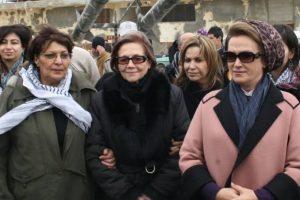
Djamila Bouhired The Woman Who Became a Global Symbol of Anti-Colonial Resistance
Djamila Bouhired (1935) is regarded as one of the most prominent female figures in the history of twentieth-century national liberation movements. Her name has become inseparably associated with the Algerian Revolution waged by the Algerian people against French colonial rule…
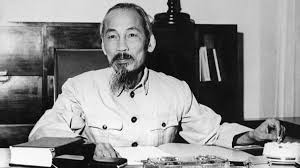
Ho Chi Minh: National Independence and the Right of Peoples to Self-Determination
Ho Chi Minh (1890–1969) is regarded as one of the most prominent leaders of national liberation movements in the twentieth century. His name became closely associated with Vietnam’s struggle for independence from French colonial rule and later with resistance to American intervention during the Vietnam War…

“Union for Justice”: Israeli Forces Have Killed Eight Journalists and Arrested Dozens More Since the Beginning of This Year
The Union for Justice Foundation stated that the killing of journalist Ahmed Samir Washah, a cameraman for Al Jazeera Mubasher, by Israeli occupation forces several days ago in Al-Bureij Refugee Camp in central Gaza Strip, has raised the number of martyred journalists since the beginning of the current year to eight….
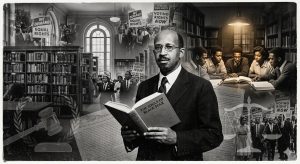
W.E.B. Du Bois: Knowledge as a Tool for Liberation and the Reconstruction of Black Consciousness in America
W. E. B. Du Bois (1868–1963) is regarded as one of the most influential Black intellectuals and activists in American history and a pivotal figure in shaping the modern civil rights discourse in the United States…

Israel Included on the Blacklist of Entities Involved in Sexual Violence
The United Nations included Israeli forces on the blacklist of entities involved in conflict-related sexual violence, as stated in the annual report on conflict-related sexual violence submitted by Secretary-General António Guterres to members of the United Nations Security Council.
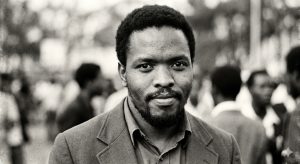
Steve Biko
Steve Biko is considered one of the most prominent figures of intellectual and political struggle in South Africa during the era of racial segregation (apartheid). He is the founder of the “Black Consciousness Movement,” which constituted a qualitative transformation in the course of resistance to racial discrimination.
