Behind Bars: A Comprehensive System of Violations Against Palestinian Prisoners
29/08/2026 – Union for Justice Foundation
The Israeli occupation authorities continue to impose repressive policies and measures against Palestinian prisoners and detainees in their prisons and detention centers, amid repeated human rights reports and testimonies referring to harsh detention conditions and violations affecting human dignity and physical and psychological well-being, and raising serious concerns regarding the extent to which the occupation authorities comply with the rules of international humanitarian law and international human rights law, particularly the obligations relating to the treatment of protected persons and detainees.
According to human rights testimonies, prisoners suffer from difficult detention conditions, including overcrowding, poor ventilation, deteriorating sanitation, shortages of clothing and personal hygiene supplies, reductions in the quantity and quality of food, and restrictions on movement and access to yards for prolonged periods, in addition to the imposition of severe restrictions on many basic necessities. These conditions become more serious when imposed collectively and without adequate consideration of the health and humanitarian circumstances of each detainee.
Human rights reports and testimonies indicate the continuation of harsh practices during detention, interrogation, and transportation, including beatings, sleep deprivation, threats and humiliation, solitary confinement, and the excessive use of force, in addition to allegations concerning the use of physical torture methods, including applying severe pressure to the fingers using metal instruments. Such practices, if proven, constitute a violation of the absolute prohibition of torture and other forms of cruel, inhuman, or degrading treatment.
In the same context, concerns regarding the conditions of sick prisoners are worsening, amid reports of delays in providing treatment and medical examinations, difficulties in accessing specialized medical care, and delays in transferring certain cases requiring urgent follow-up. This is particularly serious in cases where prisoners suffer from chronic diseases, previous injuries, or deteriorating health conditions.
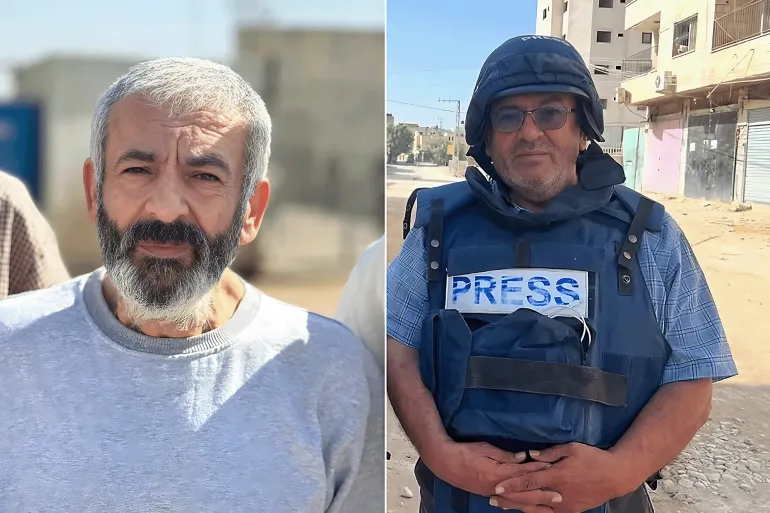
Palestinian journalist Ali Samoudi stands out as an example of the health deterioration that may result from harsh detention conditions. Israeli occupation forces arrested him from his home in the city of Jenin on 29 April 2025, and he was subsequently placed under administrative detention. During his detention, human rights organizations reported a significant deterioration in his health and the denial of some of the medication and medical care he required, in addition to substantial weight loss. He was released on 30 April 2026 after one year of detention, and following his release, he stated that he had lost approximately 60 kilograms of his weight, with his weight decreasing from approximately 120 kilograms to approximately 60 kilograms. He also spoke about malnutrition and the harsh conditions inside the prisons.
During the transportation of prisoners or their removal for visits, human rights testimonies report humiliating and degrading practices, including shackling the hands and feet, blindfolding detainees, and forcing them to walk with their heads lowered toward the ground. These testimonies have been particularly reported in accounts conveyed by prisoners’ institutions regarding the conditions of detainees at Gilad Camp affiliated with Ofer Camp.
At the newly established Gilad Camp inside Ofer Prison, the Commission of Detainees and Ex-Detainees Affairs and the Palestinian Prisoners’ Club reported, based on lawyers’ visits and detainees’ testimonies, extremely harsh detention conditions, including shortages of clothing and hygiene supplies, poor sleeping and food conditions, solitary confinement, and beatings, in addition to reports of the use of electric shocks. Testimonies also reported that some prisoners were subjected to electric shocks because they were praying or standing near windows in an attempt to breathe fresh air. If proven, this constitutes a highly serious violation of the prohibition of torture, as well as of the practice of religious rites and freedom of worship.
The reported violations also include restrictions imposed on communication between prisoners and their lawyers, as well as delays in, or the inability to conduct, legal visits in certain cases. This raises serious concerns regarding fair-trial guarantees and the detainee’s right to obtain legal assistance and effective access to their lawyer.
Palestinian women prisoners, for their part, face certain detention conditions and violations of a particular nature, including malnutrition, medical neglect, deprivation of sanitary and personal necessities, in addition to reports of the removal of their head coverings, assault, and deprivation of some basic rights. Human rights reports and testimonies have documented cases in which women prisoners were subjected to ill-treatment and had their head coverings removed, as well as restrictions on their access to essential sanitary supplies.
In addition, Palestinian children, particularly in Jerusalem, are subjected to detention measures and restrictions on freedom of movement, including house arrest, which has been widely used against minors. In some cases, this measure has been accompanied by removing the child from their home and family, requiring them to stay with relatives, or imposing electronic monitoring through bracelets that track their movements. Documented cases during 2025 show the continued use of these measures against Palestinian children in Jerusalem, imposing severe restrictions on their movement, education, and family life.
These practices are of particular importance in light of the protection provided by international law to detained children and the need to take into account their age, best interests, and psychological and social circumstances. The Fourth Geneva Convention also provides for special treatment for children and emphasizes the need to provide detainees with appropriate health and nutritional care.
The Commission of Detainees and Ex-Detainees Affairs has confirmed, in repeated reports and testimonies, that conditions for prisoners inside prisons and detention centers have deteriorated severely, pointing to the continued use of restrictive and punitive measures, deterioration in the level of nutrition, shortages of clothing and hygiene supplies, and worsening health conditions among sick prisoners, in addition to testimonies concerning torture and ill-treatment in a number of detention facilities.
The Palestinian Prisoners’ Club also confirms that violations against prisoners cannot be regarded as isolated individual cases, in light of the repeated testimonies concerning beatings, solitary confinement, malnutrition, medical neglect, humiliation, and cruel treatment. If these practices continue in this manner, they raise serious concerns regarding the existence of a systematic pattern of ill-treatment and the legal responsibilities that may arise under the rules of international law.
The Union for Justice Foundation emphasizes that the protection of prisoners and detainees does not cease to apply because of the nature of the charges brought against them, and that the prohibition of torture and cruel, inhuman, or degrading treatment is absolute and may not be diminished. The Foundation also calls for ensuring that prisoners have access to the necessary medical care, enabling them to communicate effectively with their lawyers, respecting their fundamental rights, and opening independent and transparent investigations into all allegations related to torture, ill-treatment, and medical neglect, and holding those responsible accountable in accordance with international law.
Legal Characterization of the Violations
The practices mentioned above constitute grave violations of international humanitarian law and are, in particular, contrary to the following:
First: The Fourth Geneva Convention of 1949
Article 27: Guarantees respect for the dignity of protected persons and their protection from humiliating and degrading treatment.
Article 32: Prohibits torture and cruel and inhuman treatment.
Article 76: Requires the provision of humane detention conditions for detainees.
Article 91: Guarantees the right of detainees to appropriate medical care.
Article 130: Considers torture and inhuman treatment to constitute grave breaches.
Second: The Convention against Torture of 1984
Article 2: Absolutely prohibits torture without any exceptions.
Article 16: Prohibits cruel, inhuman, or degrading treatment.
Third: The International Covenant on Civil and Political Rights
Article 7: Prohibits torture and cruel or degrading treatment.
Article 10: Requires that all persons deprived of their liberty be treated humanely and with respect for their inherent dignity.
Article 14: Guarantees the right to a defense and to a fair trial.
Fourth: The Convention on the Rights of the Child
Article 3: The principle of the best interests of the child.
Article 37: Prohibits the arbitrary detention of children or subjecting them to cruel or degrading treatment.
Fifth: The Rome Statute of the International Criminal Court
Article 8: Criminalizes torture, inhuman treatment, and the infliction of severe suffering upon protected persons as war crimes.
Accordingly, the systematic violations committed against Palestinian prisoners, women prisoners, and children amount to cruel, inhuman, and degrading treatment and constitute war crimes that require international accountability and an end to impunity.
End