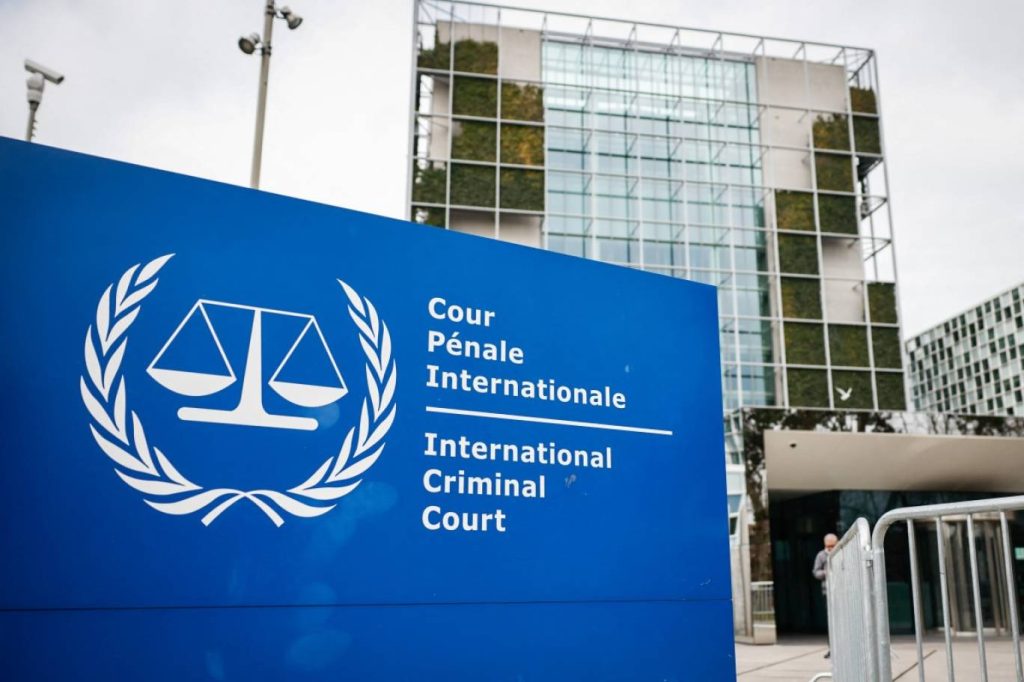
Union for Justice Foundation: U.S. Sanctions Against the International Criminal Court Threaten the Independence of International Justice and Entrench Impunity
12/10/2026 – Union for Justice Foundation
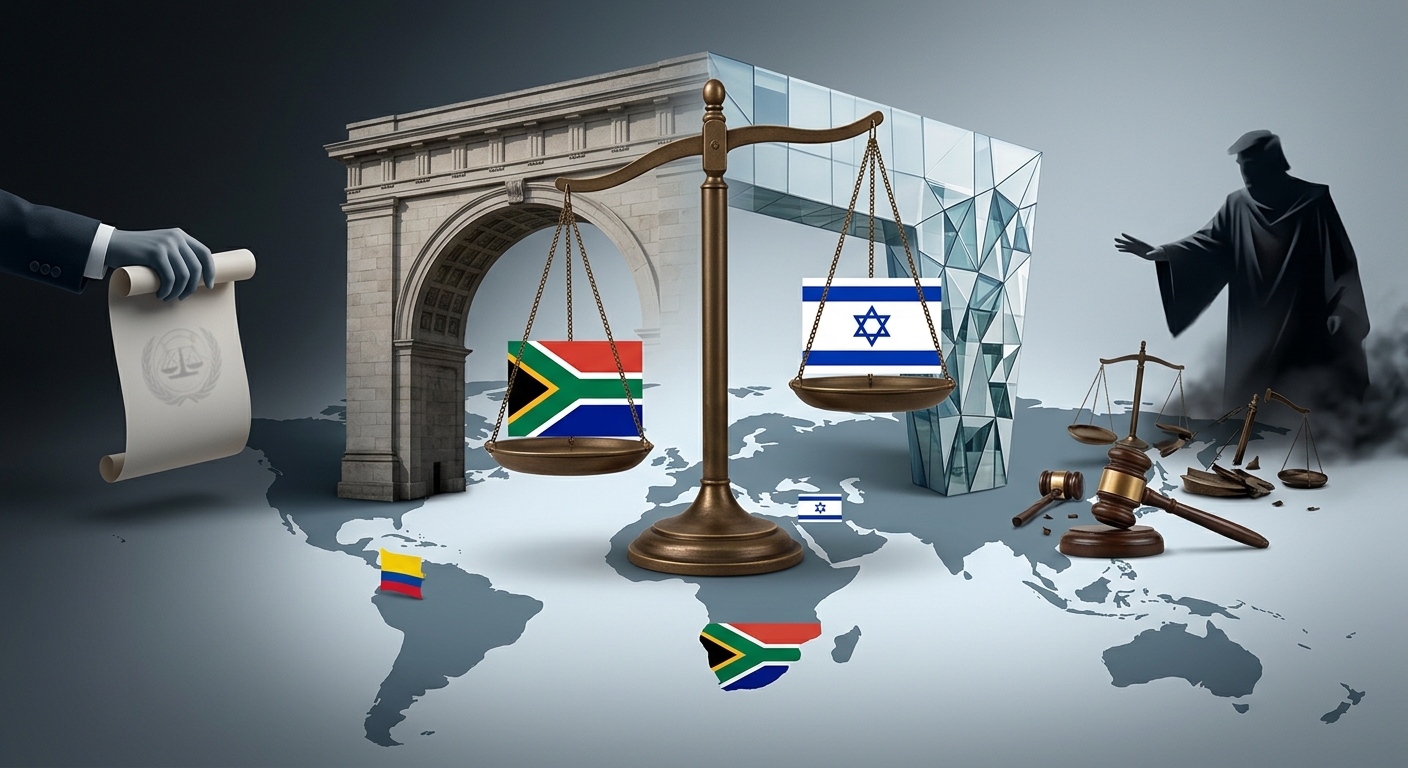
The Union for Justice Foundation (UFJF) strongly condemns the U.S. administration’s decision to impose sanctions on the International Criminal Court (ICC), announced on 9 October 2026. The Foundation considers this decision an assault on the Court’s independence, the rule of law, and the international justice system, as well as a dangerous escalation aimed at obstructing the Court’s work and undermining efforts to ensure accountability for international crimes committed against the Palestinian people.
The Foundation considers these sanctions part of a continuing U.S. policy aimed at shielding Israel from international legal accountability for crimes committed against the Palestinian people and restricting the work of institutions and entities seeking to achieve justice through legitimate international legal mechanisms.
On 6 February 2025, the U.S. administration issued Executive Order 14203, authorizing sanctions that include asset freezes and restrictions on the entry of International Criminal Court officials into the United States. Subsequently, the Trump administration imposed sanctions on a number of Court officials and judges, including 13 judges and former Prosecutor Karim Khan. On 9 July 2025, the sanctions were extended to Francesca Albanese, the United Nations Special Rapporteur on the situation of human rights in the Palestinian territories occupied since 1967. On 4 September 2025, the U.S. administration also imposed sanctions on Palestinian human rights organizations: Al-Haq, the Al Mezan Center for Human Rights, and the Palestinian Centre for Human Rights, in connection with their cooperation with the Court regarding the situation in Palestine.
The Union for Justice Foundation emphasizes that targeting the International Criminal Court, its personnel, and entities cooperating with it goes beyond obstructing specific investigations. It threatens the Court’s ability to discharge its legal mandate and sends a message of intimidation to human rights organizations, human rights defenders, and all those involved in documenting crimes and pursuing accountability before international judicial bodies.
The Foundation stresses that these measures contribute to entrenching a climate of impunity by exerting pressure on international institutions working to hold those responsible for international crimes accountable, at a time when victims need genuine guarantees of access to justice and effective legal remedies.
The Foundation also considers that the international community’s failure to take effective measures to counter sanctions imposed on the Court and those cooperating with it, particularly the European Union and States Parties to the Rome Statute, threatens the independence of international justice institutions and weakens the commitment to the principles of the rule of law and equality before the law. The continuation of these practices risks establishing a dangerous precedent in which political pressure takes precedence over international legal obligations, further undermining prospects for accountability for crimes committed in Palestine.
In fulfilling its responsibility to defend human rights and promote the rule of law, the Union for Justice Foundation calls on the international community and States Parties to the Rome Statute to take the following measures:
Call on the U.S. administration to revoke Executive Order 14203 and lift the sanctions imposed on the International Criminal Court, its judges and staff, and the entities and individuals cooperating with it.
Call on the European Commission to amend and activate the EU Blocking Statute to protect those working to secure accountability for international crimes, including International Criminal Court personnel, United Nations experts, and Palestinian civil society organizations, from the effects of U.S. sanctions, while adopting additional measures to protect the Court and the entities cooperating with it.
Take effective measures to ensure Israel’s accountability for international crimes committed against the Palestinian people, including the imposition of diplomatic and economic measures and the suspension of arms exports to and imports from Israel, in accordance with international legal obligations, with the aim of preventing the continuation of crimes and ensuring that those responsible do not enjoy impunity.
Work towards suspending the EU-Israel Association Agreement as part of the use of available legal and political instruments to ensure respect for human rights and compliance with international obligations.
Urge relevant stakeholders, including banking and financial institutions, to establish practical mechanisms to counter the effects of sanctions, ensuring that the International Criminal Court, its staff, United Nations experts, and Palestinian civil society organizations can continue their work without disruption resulting from U.S. measures.
Adopt preventive and legal measures to protect human rights organizations and human rights defenders, including those holding United Nations mandates, as well as the International Criminal Court, its officials, and those cooperating with it, from the effects of existing sanctions and any potential future sanctions.
The Union for Justice Foundation affirms that protecting the independence of the International Criminal Court is not merely an institutional matter; it is essential to safeguarding victims’ right to justice, preserving the international legal order, and ensuring that those responsible for international crimes are held accountable without discrimination or selectivity.
The Foundation reiterates its call on the international community to fulfil its legal and moral responsibilities and take concrete steps to protect international justice institutions, rejecting all measures intended to intimidate them, obstruct their work, or deprive victims of their right to accountability and effective remedies.
End