Union for Justice Foundation: Escalating Settler Violence at the Start of the Olive Harvest Season Calls for Urgent International Action
26 /10/2026 – Union for Justice Foundation
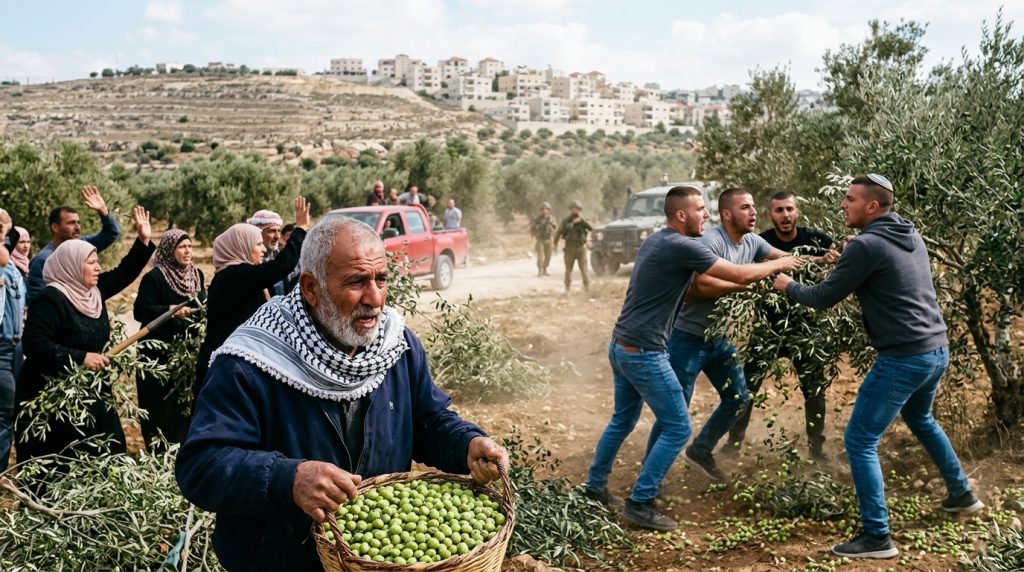
Amnesty International has called on states to take urgent and concrete measures to halt the escalation of Israeli settler attacks in the occupied West Bank as the Palestinian olive harvest season begins. The attacks have increasingly targeted Palestinian farmers and their property, restricted their access to agricultural land, and extended to a photojournalist working for The Washington Post and a delegation of European diplomats.
Heba Morayef, Amnesty International’s Regional Director for the Middle East and North Africa, stated that repeated attacks by settlers, supported by the Israeli state, have turned the olive harvest season into a source of fear and suffering for Palestinian families. She noted that these attacks, accompanied by the destruction and theft of crops and damage to olive trees, as well as military restrictions imposed on farmers’ access to their groves, have caused significant economic and livelihood losses.
Morayef added that the attacks in the villages of Khirbet Abu Falah and Taybeh, northeast of Ramallah, over the weekend, including assaults on a photojournalist and a delegation of European diplomats, reflect the expanding scope of violence faced by Palestinians. She criticized attempts by Israeli officials to portray these attacks as isolated individual acts, stressing the need to address them within the broader context of policies and measures that contribute to their continuation.
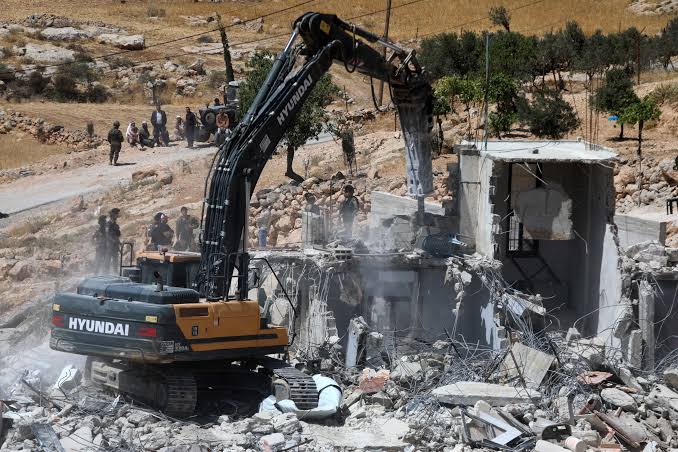
Amnesty International warned that the escalation of settler violence, alongside restrictions imposed on Palestinians, forms part of a broader pattern of practices intended, according to the organization’s reports, to intimidate Palestinians and forcibly displace them from areas of the occupied West Bank, particularly Bedouin and pastoral communities in Area C. The organization also considered that the continued absence of effective international measures contributes to impunity and creates conditions for further violations.
The organization called on states that publicly oppose the annexation of Palestinian territory and the expansion of settlements to translate their positions into practical measures. These should include ending forms of trade, investment, and cooperation that contribute to maintaining Israel’s unlawful occupation and apartheid system, banning trade with Israeli settlements, and imposing targeted sanctions on officials against whom credible evidence exists of involvement in serious violations of international law.
It also stressed the need to impose a comprehensive embargo on the supply of weapons and security equipment to Israel and to support international justice and accountability mechanisms, including ongoing investigations by the International Criminal Court. The organization emphasized that issuing statements without taking concrete action leaves Palestinians exposed to further attacks and violations.
Background on the Attacks
On 16 October 2026, dozens of masked Israeli settlers attacked Palestinian farmers harvesting olives near the village of Abu Falah, northeast of Ramallah. According to the reported information, the attackers threw stones at Palestinians, used slingshots, set olive trees on fire, and physically assaulted several farmers.
During the attack, American photojournalist Heidi Levine was assaulted. She was knocked to the ground and kicked repeatedly despite wearing protective equipment clearly identifying her as a journalist while covering the olive harvest season for The Washington Post. Her camera equipment and phone were also stolen, and she was taken to hospital for treatment after sustaining multiple injuries. On 19 October, the Israeli police announced the arrest of ten suspects as part of an investigation into these incidents.
The following day, masked Israeli settlers attacked a delegation near the village of Taybeh, northeast of Ramallah. The delegation included Belgian, French, and Polish diplomats, a French mayor, representatives of the Catholic Church, and Palestinian residents. Reports indicated that a Belgian diplomatic vehicle was damaged and several members of the delegation were assaulted.
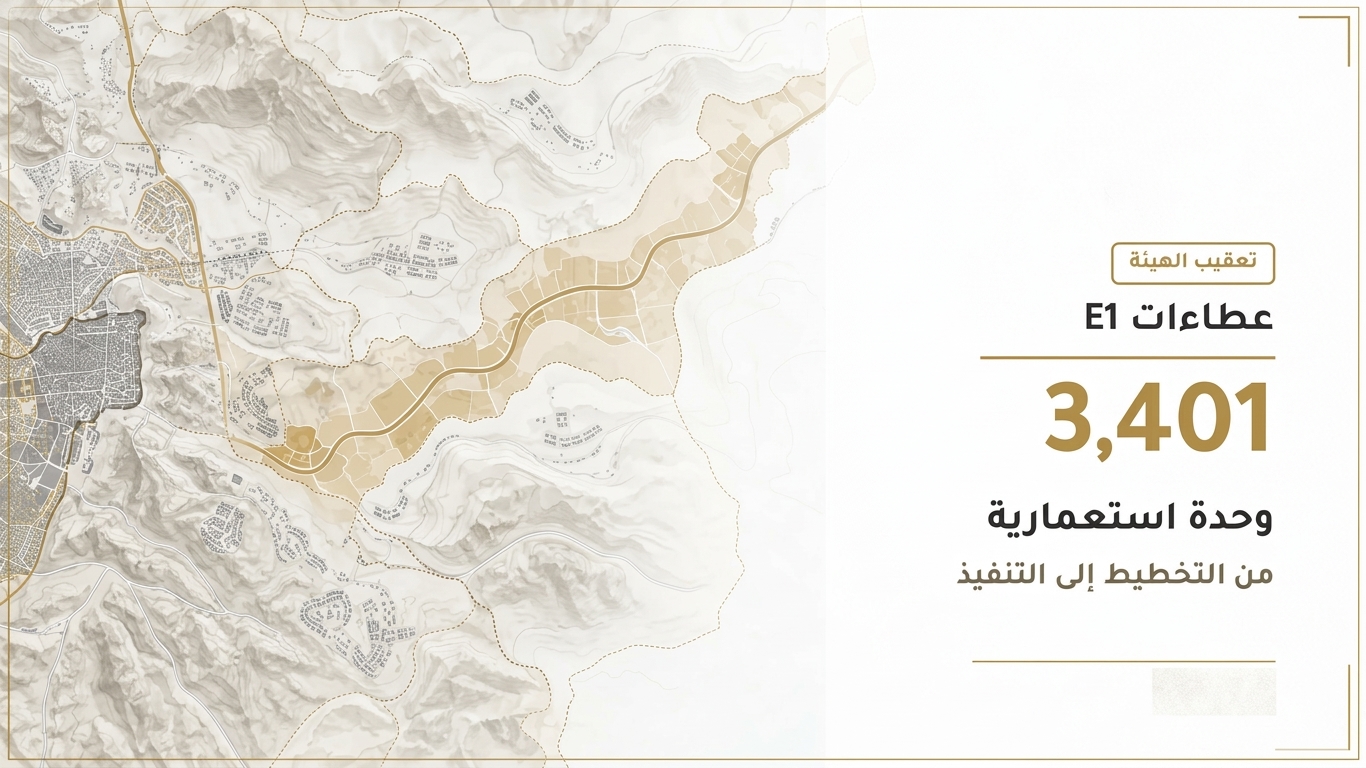
According to Amnesty International’s 2026 report on the occupied West Bank, Israeli authorities have escalated measures and policies since late 2022 that, according to the organization, contribute to the forced displacement of Palestinians from Bedouin and pastoral communities in Area C, with the aim of permanently altering the area’s demographic composition. The report highlighted the accelerated expansion of settlements, tighter restrictions on freedom of movement, and increased financial, logistical, legal, and political support for settlements and outposts. It also referred to the distribution of weapons to settlers and the encouragement or toleration of their attacks.
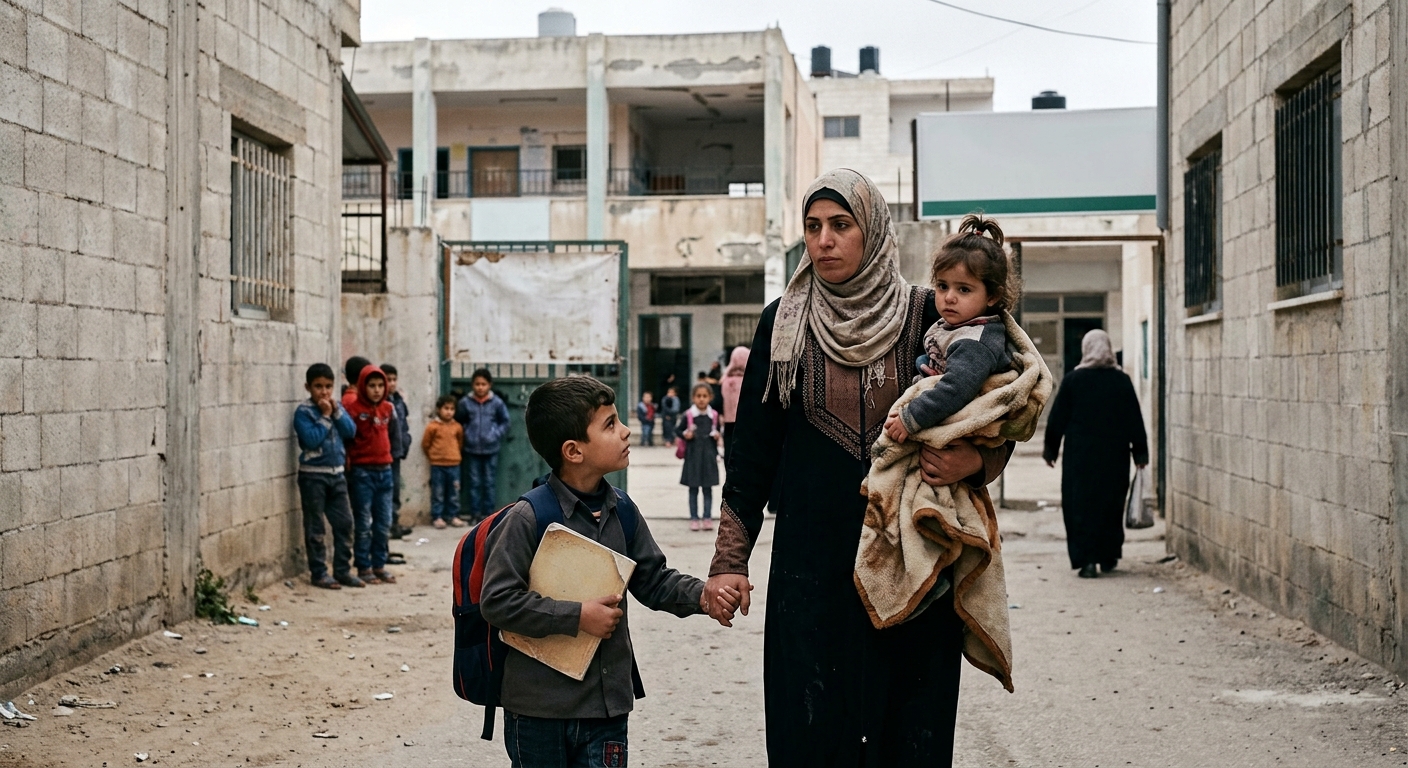
Since October 2023, Palestinian communities across various parts of the occupied West Bank have witnessed an escalation in settler attacks targeting residents and their livelihoods. These attacks have included physical assaults, threats and harassment, the burning and destruction of property, the theft of crops, preventing farmers from accessing their land, and pastures, as well as stealing livestock or harming it.
In this context, Amnesty International reiterates its call for states to suspend forms of cooperation that contribute to maintaining Israel’s unlawful occupation, ban trade with settlements, and impose targeted sanctions on officials directly involved in serious violations of international law against Palestinians in the occupied West Bank and Gaza Strip. The organization also calls for an end to the supply of weapons and security equipment to Israel and for stronger international accountability efforts to ensure that those responsible for these violations are held to account.
End