Union for Justice Foundation: New Master Plan Paves the Way for Consolidating the “Avia” Settlement Outpost East of Beit Sahour
13/10/2026 – Union for Justice Foundation
Less than a year after its establishment, the Israeli occupation authorities have completed the preparation of a new settlement master plan for the “Avia” settlement outpost (formerly known as Yatziv/Shdema), established east of the city of Beit Sahour in November 2025. The outpost was subsequently declared to fall under the jurisdiction of the “Gush Etzion” settlement bloc, south of the occupied West Bank.
According to the Haredi news website and weekly newspaper Olam Katan, the relevant Israeli authorities have completed the preparation of a master plan for the site, which has been named “Avia/Yatziv” and is locally known as the “Ush al-Ghurab military camp site.”
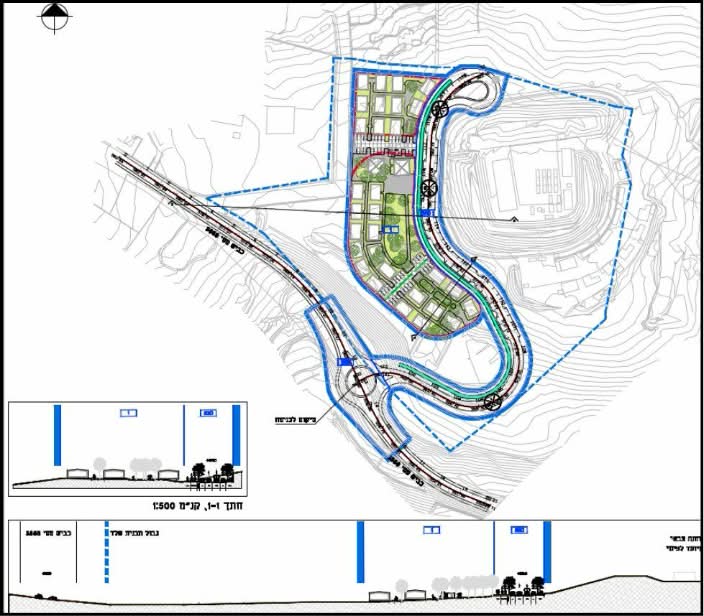
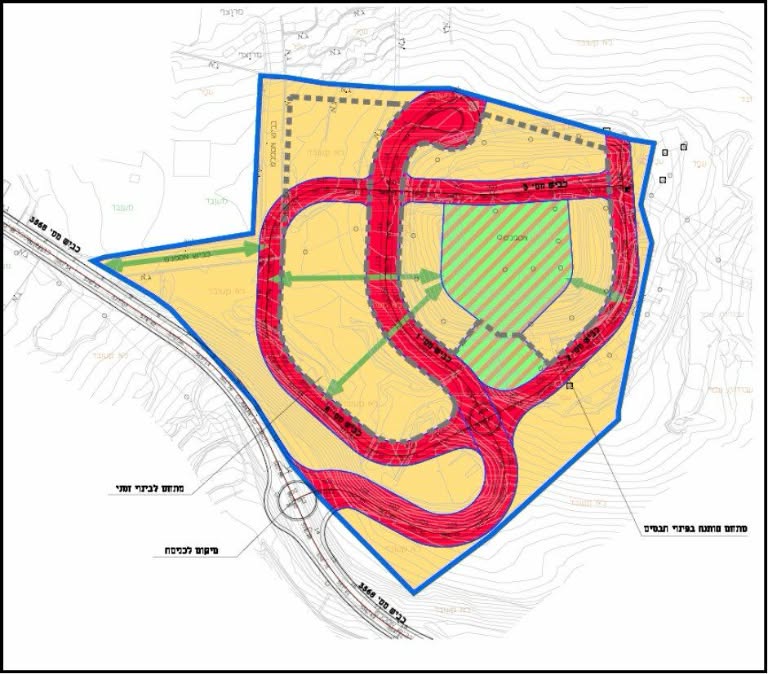
Images 1 and 2: The settlement master plan for the new “Avia” outpost east of Beit Sahour.
According to Olam Katan, the new plan aims to expand the settlement outpost and consolidate its presence. The outpost began as a small settlement nucleus at the site of the Israeli military camp “Shdema,” which was vacated in 2006 but has remained under Israeli control to this day. Approximately 20 settler families currently reside in the “Avia” settlement outpost.
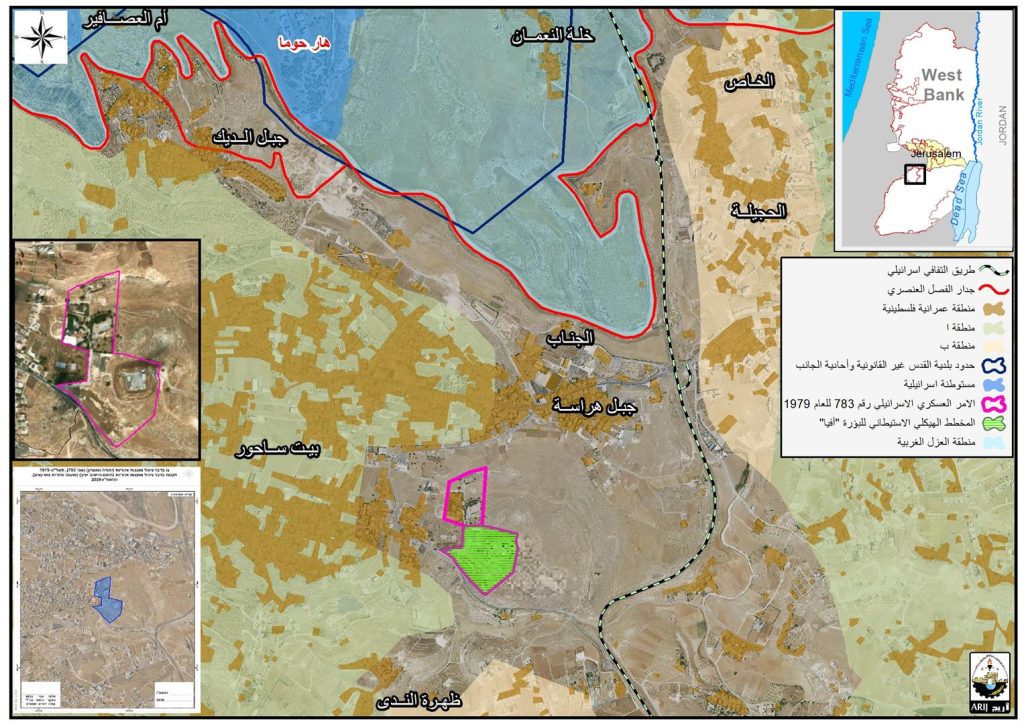
The area designated in the master plan for the “Avia” settlement outpost covers 58 dunams, out of a total of 92 dunams that the Israeli occupation authorities had designated for the outpost under a military order issued on 5 March 2026 by what is referred to as the “Commander of the Israel Defense Forces in Judea and Samaria,” Avi Bluth. The order stipulated the designation of a jurisdictional area for the new settlement outpost.
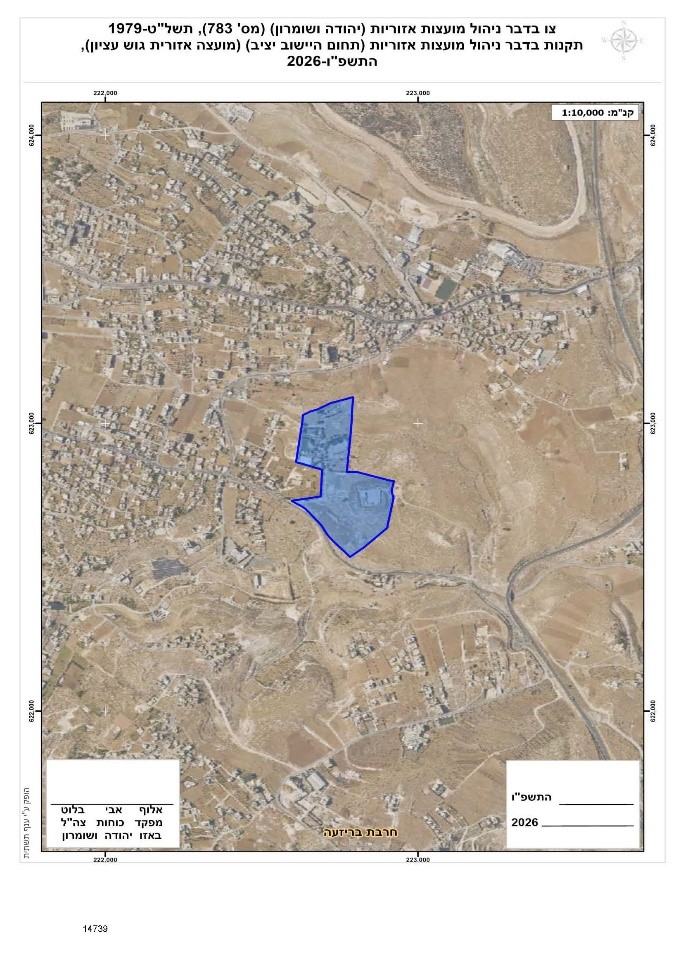
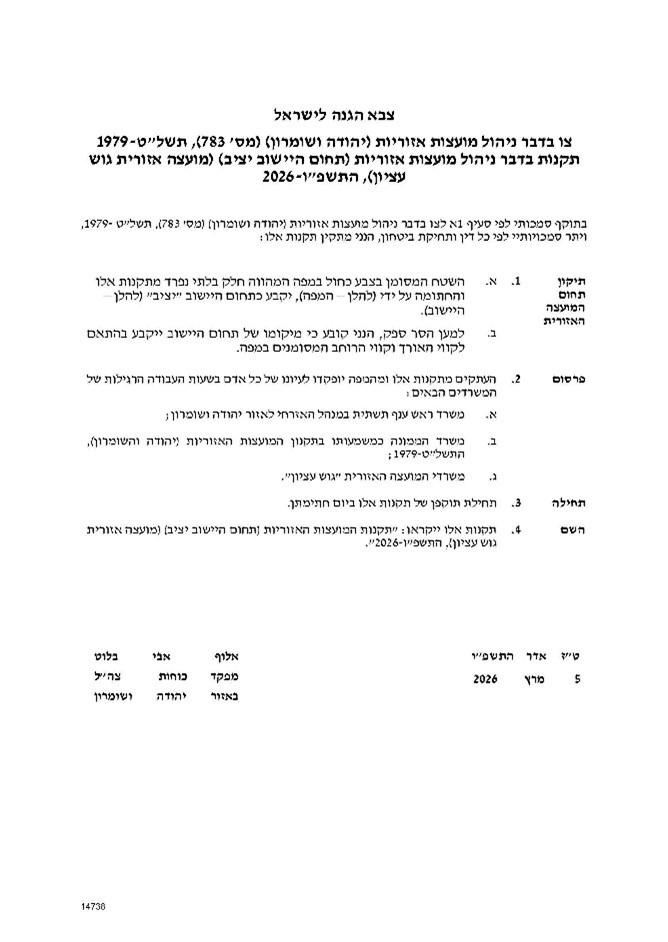
Images 3 and 4: Order Concerning the Administration of Regional Councils (Judea and Samaria), No. 783 of 1979
The 2026 regulations concerning the administration of regional councils and the jurisdictional area of the “Yatziv” settlement, under the “Gush Etzion” Regional Council.
In a related development, Yaron Rosenthal, head of the so-called “Gush Etzion” Regional Settlement Council, stated in a post on his social media account that the preparation of the plan was part of what he described as “strengthening the Israeli presence” in the area.
According to his statements, the plan includes the development of infrastructure and security facilities, as well as connecting the new settlement outpost to the existing settlement road network in the area, thereby strengthening its links with nearby Israeli settlements.
This step comes amid the ongoing Israeli settlement expansion policy in the occupied West Bank and the accompanying imposition of new realities on Palestinian land. In the case of “Avia,” the conversion of a former military site into a permanent settlement community constitutes a further step towards expanding control over occupied Palestinian land and restricting the urban expansion of neighboring Palestinian communities.
The settlement outpost is located near Israeli bypass Road No. 398, in a strategically significant location within what is referred to, according to the Israeli designation, as the “Gush Etzion” settlement bloc. Its location gives it particular significance within settlement plans aimed at strengthening geographical connectivity between Israeli settlements to the east and west of the aforementioned bloc.
These developments come as settlement expansion continues across the occupied West Bank. According to the data cited in this report, more than 22,000 dunams have been targeted for the construction of over 19,000 settlement units as of mid-2026. These policies form part of a trajectory that threatens the prospects of establishing a geographically contiguous and viable Palestinian state and undermines the prospects for achieving a two-state solution.
In a related development, on 30 June 2026, the Israeli newspaper Channel 7 reported, citing what it referred to as the Israeli Ministry of Interior, that four new settlement sites in the occupied West Bank had been granted official local identification codes. These sites joined 34 others that had recently received similar codes.
According to the newspaper, this measure followed extensive and prolonged work by officials at the Israeli Ministry of Interior, in cooperation with the Israeli Civil Administration, which operates within the Israeli occupation system, and the Settlement Administration within the ministry.
Obtaining a local identification code is an administrative step that enables Israeli government bodies to formally recognize a site within their systems, allocate budgets directly to it, and provide permanent civilian and security services. These include the appointment of a regular military security coordinator, postal services, and a direct connection to permanent water infrastructure operated by the Israeli national water company Mekorot, according to the newspaper.
The settlement sites that received local identification codes included the “Asif” outpost (Nofei Nehemia), the “Malachei HaShalom” outpost in Salfit Governorate, the “Avia” outpost (Shdema) in Bethlehem Governorate, and the “Ein Yitav” site in the Jordan Valley.
End