Environmental Apartheid and Water Deprivation as Colonial Tools for Erasing the Palestinian Presence
02/05/2026 – Union for Justice Foundation
In Palestine today, one of the most complex and severe forms of contemporary apartheid is unfolding. The occupation no longer confines itself to controlling people and geographic space; its reach has extended to ravage the ecosystem and natural resources in what has come to be known as “environmental apartheid.” This systematic approach reflects a “scorched earth” strategy aimed at stripping Palestinians of the most basic means of survival on their land, transforming natural resources from an inherent human right into instruments of political pressure and collective punishment. The issue of water control stands out as the clearest manifestation of this policy, as the occupation authorities maintain a tight grip over more than 85% of groundwater resources, imposing a tragic reality of “water deprivation” on Palestinian villages and cities, in stark contrast to the water abundance enjoyed by settlers in illegal colonies.
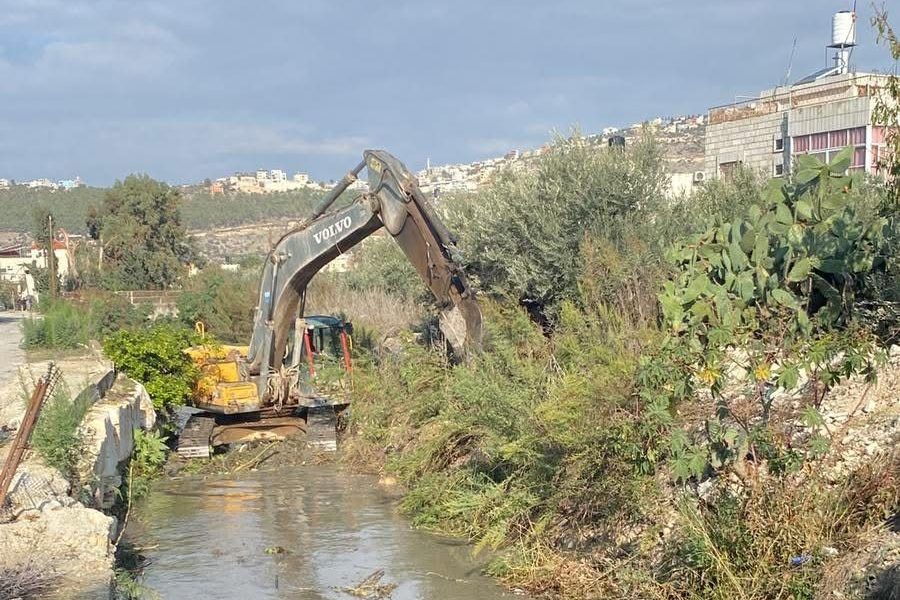
The peak of this suffering is evident in areas classified as (C), where Palestinians face a suffocating water blockade enforced through military orders. While settlements are supplied with water through extensive pipelines crossing Palestinian lands, Palestinians are prohibited by military decree from drilling new groundwater wells. Restrictions extend even further, preventing the restoration of historical wells or old artesian wells upon which pastoral and agricultural communities depend. The Union for Justice Foundation has documented a dangerous escalation in “demolition notices” since the beginning of 2026. Occupation bulldozers have rapidly demolished and destroyed dozens of water facilities and wells used by Palestinians to collect rainwater. What occurred in the town of Beit Ummar, north of Hebron, in January 2026 stands as a stark example: occupation forces demolished water collection wells, bulldozed surrounding lands, and buried them with soil to erase their traces entirely, depriving farmers of their sole source of irrigation in an area already suffering from acute drought. Similar incidents have occurred in other towns such as Burqa and Al-Dhahiriya, where vital water cisterns and reservoirs were destroyed to deprive communities of water and force them toward displacement.
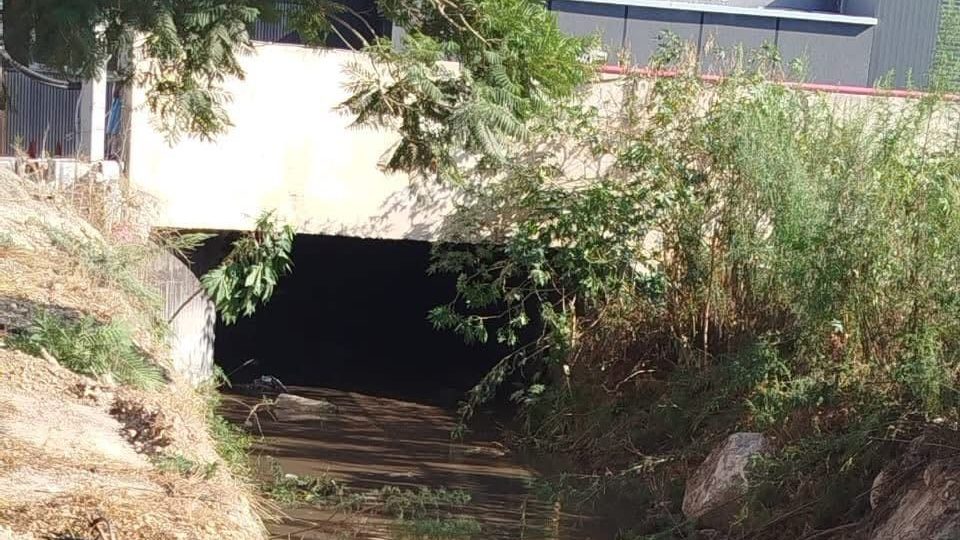
In a related context, occupation policies have gone beyond water confiscation and the prevention of water harvesting, extending to the poisoning of Palestinian land by transforming it into dumping grounds for chemical and solid waste. The relocation of environmentally harmful Israeli factories to the West Bank constitutes a transboundary environmental crime, as toxic waste and wastewater flow from settlements into Palestinian valleys. Wadi Al-Zomer in the city of Tulkarm stands as clear evidence to this disaster, where Israeli industrial complexes such as the “Geshuri” complex continue to discharge liquid and gaseous pollutants directly into the Palestinian environment. This has led to the contamination of the groundwater basin, the poisoning of agricultural soil, and the spread of respiratory and chronic diseases among residents as a result of these toxic emissions.
In the Gaza Strip, the crime of water deprivation has reached its most extreme criminal form, where water has been used as a direct weapon of war through the destruction of desalination plants and water transmission lines. This has caused per capita water availability to plummet by an alarming 97% below normal levels, leaving millions at risk of dehydration and deadly epidemics. On another front, the uprooting of ancient trees—particularly olive trees—represents one of the gravest manifestations of environmental destruction (ecocide). Through the uprooting of more than two million trees since 1967, the occupation targets not only the Palestinian economy, but also seeks to erase historical memory and the spiritual bond between Palestinians and their land. Vast areas of confiscated land are reclassified as so-called “nature reserves” to prevent Palestinian access, only to later be transformed into concrete settlement blocs—a practice that can be described as “green colonialism.”
The Union for Justice Foundation asserts that these practices can only be described as war crimes and crimes against humanity. They violate Article 55 of the Hague Regulations, which prohibits the depletion of resources in occupied territories, and breach Article 53 of the Fourth Geneva Convention, which criminalizes the destruction of public and private property such as water wells and agricultural lands. The deliberate denial of access to clean drinking water and the poisoning of the environment are intended to impose living conditions that lead to physical destruction, falling within the legal definition of genocide. Accordingly, the Foundation calls upon the international community to intervene immediately to lift the water blockade, provide international protection for Palestinian natural resources, and hold the occupation accountable for its systematic environmental apartheid crimes.
End
