
8/6/2026 – Union for Justice Foundation
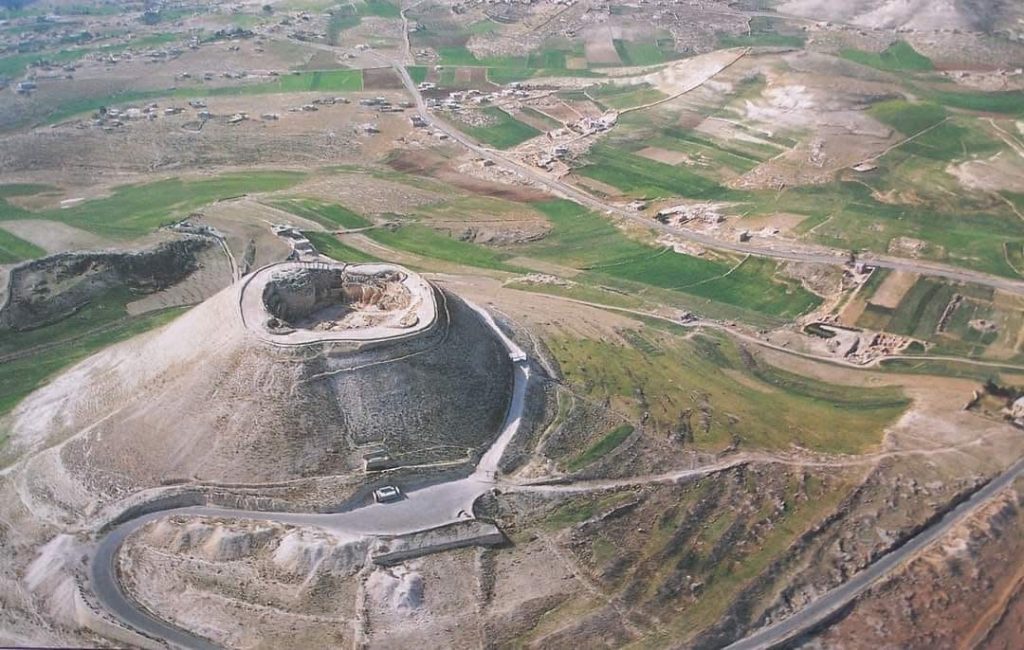
The Union for Justice Foundation stated that the occupied Palestinian territories have entered a new and dangerous phase of cultural and geographic cleansing, where the assault is no longer limited to the confiscation of land for military settlement construction, but has expanded to excavate history and distort the civilizational identity of the land. In the latest of these systematic crimes, documented by the Union for Justice Foundation in a statement issued on June 3, 2026, the so-called “Civil Administration” of the Israeli occupation army announced an unjust decision to confiscate approximately 320 dunams of Palestinian land surrounding the historic Mount al-Fureidis area east of Bethlehem Governorate. According to the military announcement, these extensive areas will be transferred to the jurisdiction and management of the “Gush Etzion” settlement council, established on confiscated Palestinian land, under the misleading pretext promoted by the occupation authorities of preserving the historical and archaeological character of the site, and expanding research, restoration, and uncovering findings that have not yet been studied. However, a closer reading of the reality confirms that this decision is nothing but a legal and political cover for furthering settlement expansion, isolating surrounding Palestinian villages, and transforming the ancient Canaanite archaeological site into a biblical settlement park that deprives Palestinians of both their past and present.
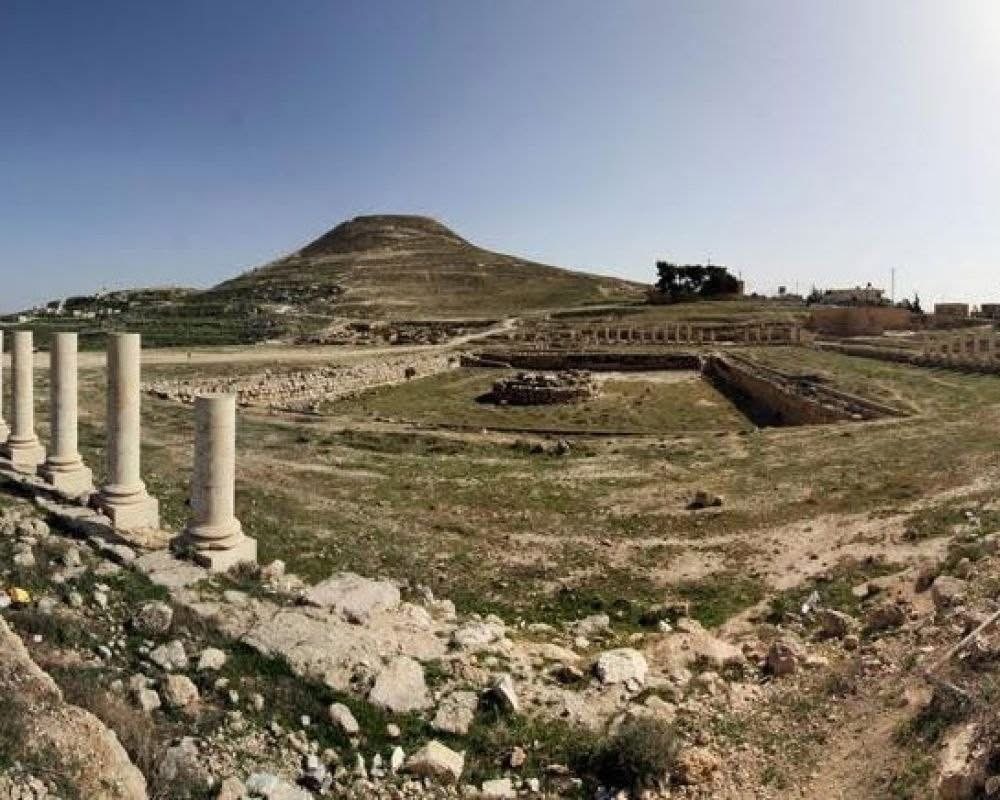
Mount al-Fureidis, known by the occupation as “Herodion,” is one of the most prominent historical and archaeological landmarks in the southern West Bank. Rising to approximately 758 meters above sea level, the mountain commands a full view of Jerusalem, Bethlehem, and the Jordan Valley, granting it exceptional strategic and military significance. This amplifies the gravity of the recent confiscation decision, as transferring the management of these lands to the settlement council effectively turns the surrounding agricultural and grazing areas owned by Palestinians into municipal zones under settler control. This move paves the way for the construction of tourist facilities, hotels, and road networks serving the settlement project, while suffocating the natural expansion of eastern Bethlehem villages such as Za’tara, Beit Ta’mir, and Tuqu’. It also entails a form of epistemic and archaeological falsification, granting Israeli antiquities associations and the “Israel Nature and Parks Authority” exclusive rights to conduct excavations—often used to erase Arab, Islamic, Christian, and Canaanite landmarks of the site, while selectively promoting the biblical narrative in service of the Zionist narrative.
The targeting of Mount al-Fureidis is inseparable from a broader Israeli plan, the outlines of which were laid down by the occupying authorities to assert control over archaeological and heritage sites located at the heart of Palestinian towns and cities across the West Bank. Among the most prominent sites that have been—and continue to be— subjected to similar processes of Judaization and confiscation is the archaeological site of Sebastia, north of Nablus, which has faced repeated military incursions and sustained pressure from settlement councils to complete their control over the Roman amphitheater and surrounding antiquities. This is being pursued through the allocation of hundreds of millions of shekels under the pretext of restoration, while the real objective is to fully isolate the archaeological area from the Palestinian town and to prevent residents from restoring their homes or utilizing their lands. Added to this is the Ibrahimi Mosque in Hebron and its Old City, which represents a stark example of the Judaization of religious and historical sites through their forcible division under military control since the 1994 massacre, the confiscation of its surroundings, and the establishment of tourist routes designated for settlers that have significantly altered its historical character. Likewise, the village of Nabi Samwil, northwest of Jerusalem, has been turned into what amounts to an open-air prison for its residents after the confiscation of its lands, its conversion into a “national park,” and the Judaization of its historic mosque. This extends further to Khirbet Al-Muwarraq and the Canaanite Palace west of Hebron, which are regularly subjected to settler incursions and the fencing off of parts of the site, in an effort to reattribute its historical features to Jewish history while prohibiting Palestinian access altogether.
From a legal perspective, these measures constitute grave and complex violations that rise to the level of war crimes and crimes against humanity. The relevant international laws and instruments that criminalize such practices include the 1954 Hague Convention for the Protection of Cultural Property in the Event of Armed Conflict and its protocols, which prohibit any destruction, alteration, or distortion of cultural and historical properties in occupied territories. They also oblige the occupying power not to carry out archaeological excavations unless strictly necessary for the protection of the antiquities themselves and forbid any alteration of the cultural and historical character of a site or the erasure of its original identity. Moreover, Article 53 of the Fourth Geneva Convention of 1949 categorically prohibits the occupying power from destroying cultural, real, or private property except where such destruction is rendered absolutely necessary by military operations. Given that the confiscation of Mount al-Fureidis is being carried out for settlement and touristic purposes, it constitutes a direct violation of this article and falls under the category of large-scale destruction and confiscation of property without military necessity. This is further reinforced by the 1972 UNESCO World Heritage Convention, which affirms that attacks on the cultural heritage of any people constitute an attack on the shared heritage of humanity as a whole. It also emphasizes that the occupying power, as a military authority, has no legal sovereignty over the occupied West Bank. Accordingly, any administrative or military decisions issued by it to transfer land ownership or reclassify territories for settlement expansion are null and void and carry no lawful legal effect.
Based on the above, the Union for Justice Foundation affirms that the occupation’s claims regarding the preservation and restoration of antiquities at Mount al-Fureidis are merely a façade to advance a creeping annexation project and to instrumentalize archaeology as a colonial tool for legitimizing settlement expansion. Accordingly, the international community is urged to take urgent action through the United Nations Educational, Scientific and Cultural Organization (UNESCO) by dispatching an international commission of inquiry to investigate the violations affecting Mount al-Fureidis and the Sebastia site, and to compel the occupying authorities to halt all illegal excavations. It also calls on the Prosecutor of the International Criminal Court to include the theft and falsification of Palestinian archaeological and heritage sites as a central component of ongoing investigations into settlement crimes and forced displacement in the West Bank. Simultaneously, it calls for support to landowners and municipal councils in Bethlehem to prepare ownership files and cadastral maps in order to submit immediate legal objections to thwart this plan and contain its consequences before it comes into effect.
End
