
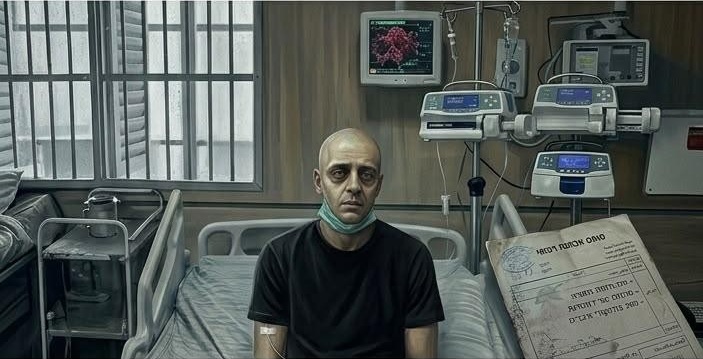
Testimony Behind Bars: The Story of Prisoner Ibrahim Al-Qadi and the Legal Position on the Crime of Medical Neglect
6/7/2026 – Union for Justice Foundation
The humanitarian and legal story of prisoners encapsulates tragic chapters from the reality of the Palestinian prisoners’ movement, perhaps most notably what sick prisoners endure under systematic policies aimed at undermining their lives and bodies, as their bodies have become living testimony to the medical and legal crimes committed behind bars. The story of the young man from Hebron, the released prisoner Ibrahim Jaafar Al-Qadi, was not merely a health condition that afflicted a young man in the prime of his life; rather, it is a striking example of the policy of “deliberate medical neglect” and silent death inside prison cells. When Ibrahim stood before the mirror after a bitter journey that lasted nearly 22 months of imprisonment, he could not recognize the features that illness and exhaustion had altered. The prison cells had stripped him of dozens of kilograms of his weight, transforming his appearance from that of a young man full of life and health into a frail body worn down by chemotherapy, shackles, and the darkness of prison. This story is not an isolated exception, but rather a reflection of the reality experienced by dozens of prisoners suffering from chronic diseases and cancer inside prisons under extremely harsh detention conditions.
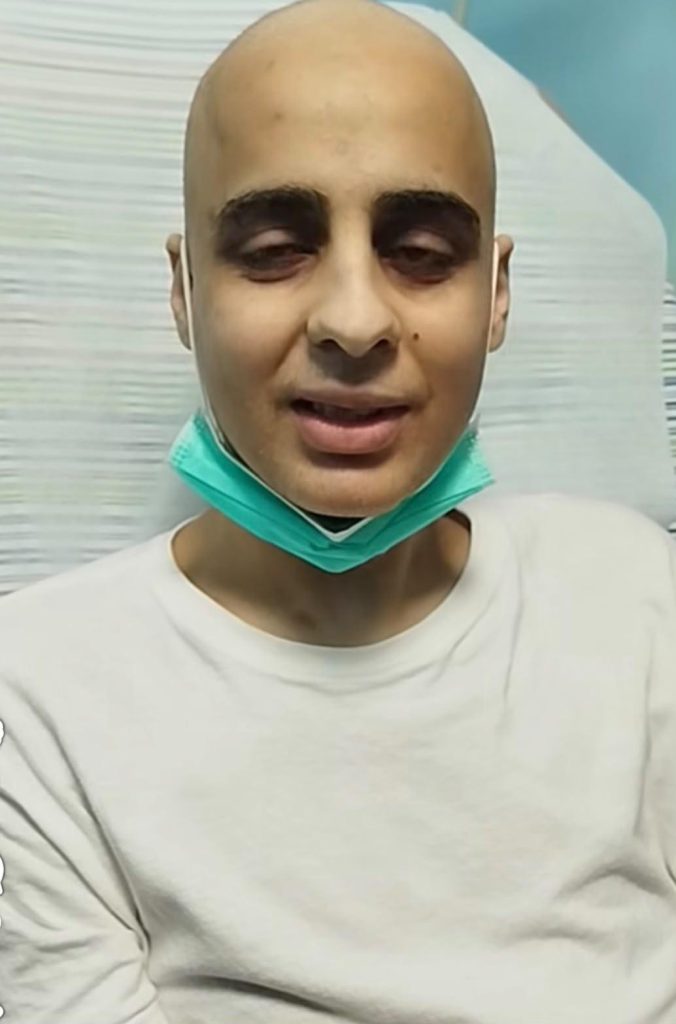
The legal and humanitarian suffering of prisoner Ibrahim Al-Qadi began when he was twenty-two years old, from the very first moments of his arrest, as he was subjected to severe beatings, abuse, and physical and psychological torture in interrogation centers before being transferred to prison. This was only the beginning of a journey of gradual physical deterioration resulting from unhealthy detention conditions. His pain increased day after day, and during his detention, a noticeable and alarming tumor appeared in his neck. Despite repeated medical complaints and appeals submitted by the prisoner, these requests received no genuine or serious response from the prison administration. Instead, they merely provided him with simple painkillers and falsely claimed that it was nothing more than “fatty tissue or minor glands,” a misleading and primitive diagnosis that reflected complete disregard for fundamental human rights.
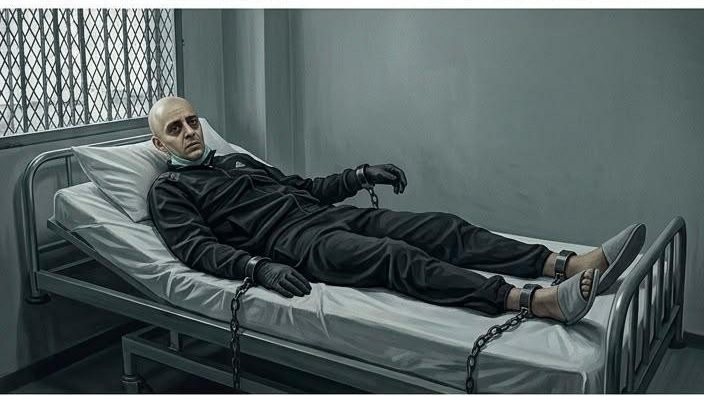
The procrastination in conducting specialized laboratory and radiological examinations for prisoners constitutes a fundamental element of the crime of medical neglect. While Ibrahim was waiting for a scientific diagnosis and treatment for his worsening pain, cancer was secretly and rapidly spreading throughout his body. As time passed, the swollen glands enlarged dangerously and began pressing directly on his lungs, causing severe breathing difficulties and impairing his vital functions. It was only after it was too late, and after months of delayed diagnosis, that it became clear he had cancer and urgently required treatment. When the harsh journey of chemotherapy began, neither his critical health condition nor the weakness of his body spared him from being shackled. He received chemotherapy doses in the hospital while his hands and feet were chained to the hospital bed, and he even needed prior and complicated security authorization simply to go to the bathroom or make the slightest movement, forcing him to endure a double battle against the pain of illness and the brutality of imprisonment and restraints at the same time.
Although Ibrahim Al-Qadi’s story ended with his release after 22 months of imprisonment, exhaustion, and transfer to the hospital to continue treatment with a weakened body bearing the scars of this harsh experience, it opens the door wide to the plight of hundreds of prisoners who remain behind bars facing the same fate. Documented human rights data and statistics indicate that there are no fewer than 26 Palestinian prisoners suffering from cancer and tumors of varying degrees inside prisons. These prisoners endure extremely harsh detention conditions and a severe shortage of medical care, specialized medication, and regular treatment doses. They live a bitter and continuous daily struggle, caught between treatment sessions, prison cells, and shackles. Their natural and fundamental human right to healthcare has become a difficult battle they must fight every day against the obstinacy of the prison administration, while treatment, which should be a basic human right, has become yet another struggle they wage behind bars simply to preserve their lives.
In conclusion, the Union for Justice Foundation affirms that prisoners and detainees in prisons are not deprived of their rights; rather, they are a category fully protected under the rules of international humanitarian law and international human rights law, and they possess established legal rights that may not be diminished. From a sound legal and human rights perspective, the Foundation explains that the Fourth Geneva Convention of 1949, specifically Articles (81), (91), and (92), imposes a strict and direct legal obligation upon the detaining power to provide comprehensive free medical care to all detainees and to ensure the availability of specialized clinics and hospitals for the treatment of serious and chronic diseases such as cancer, in addition to conducting monthly medical examinations to monitor their health conditions. Furthermore, the United Nations Standard Minimum Rules for the Treatment of Prisoners (the Mandela Rules), particularly Rule (24), stipulate that the provision of healthcare to prisoners is the full responsibility of the State and that prisoners must enjoy the same standards of healthcare available in the outside community without discrimination or specific restrictions such as being shackled during treatment. Accordingly, the Foundation emphasizes that the policy of deliberate medical neglect, delayed diagnosis, and procrastination in providing treatment doses to sick prisoners cannot be classified as mere administrative negligence. Rather, these constitute grave violations amounting to “indirect intentional killing” and “systematic medical crimes,” representing clear breaches that fall within the scope of war crimes and crimes against humanity under the Rome Statute of the International Criminal Court. Based on these international legal references, the Union for Justice Foundation issues an urgent appeal and stresses the necessity and importance of immediate action by the international community, human rights organizations, and United Nations bodies to secure justice for sick prisoners and save their lives before it is too late. It further calls for the exertion of all legal and diplomatic efforts to establish independent international medical committees to ensure the immediate release of prisoners suffering from cancer and chronic diseases and to put an end to the ongoing loss of lives behind prison bars.
End
